
The Rising Global Demand for Antimony and Its Industrial Uses
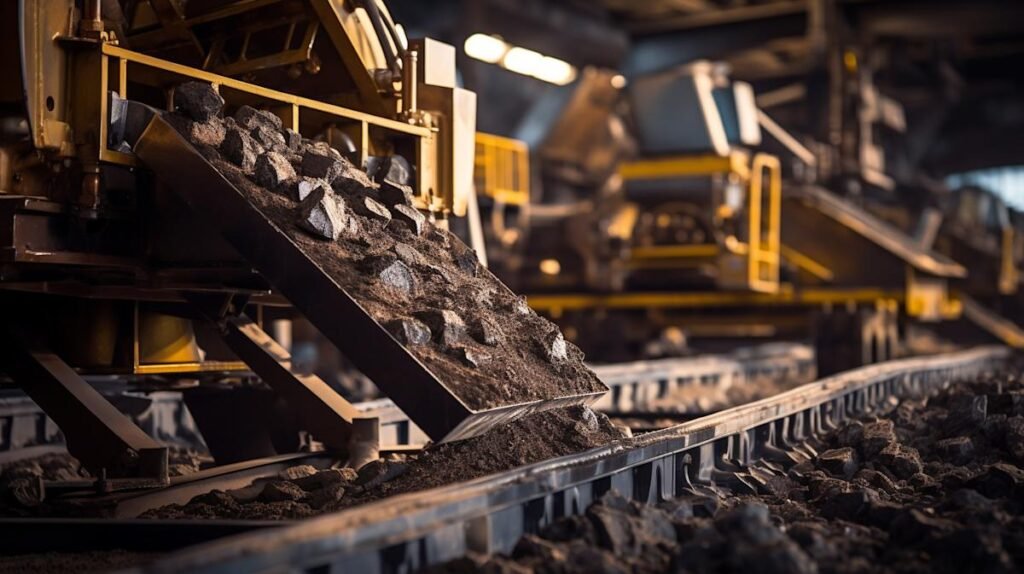
The Rising Global Demand for Antimony and Its Industrial Uses
Antimony has become one of the most important strategic minerals in modern industry. As global manufacturing, electronics, and safety standards continue to evolve, the demand for antimony and its compounds—especially antimony trioxide—is increasing rapidly. Industries around the world rely on this versatile element for its unique chemical properties and its ability to enhance the performance and safety of many materials.
In recent years, global markets have shown growing interest in reliable suppliers of high-quality antimony ore and antimony trioxide, making it a key commodity in international mineral trading.
What is Antimony?
Antimony is a naturally occurring metalloid element that is primarily extracted from the mineral stibnite (Sb₂S₃). After mining and processing, it is refined into different forms such as antimony metal, antimony alloys, and antimony trioxide.
Among these, antimony trioxide (Sb₂O₃) is the most widely used commercial compound. It plays a critical role in several industrial applications due to its stability, flame-retardant properties, and compatibility with various manufacturing processes.
Why Global Demand for Antimony Is Increasing
Several factors are driving the rapid increase in antimony demand worldwide:
1. Growth of the Flame Retardant Industry
One of the largest uses of antimony trioxide is in flame retardant systems. It is commonly combined with halogenated compounds to improve fire resistance in materials such as:
- Plastics
- Textiles
- Electronic components
- Construction materials
With stricter global fire safety regulations, manufacturers increasingly rely on antimony-based compounds to meet safety standards.
2. Expansion of Electronics Manufacturing
Antimony plays an important role in the electronics industry. It is used in the production of:
- Semiconductor devices
- Circuit boards
- Lead-acid batteries
- Electronic plastics and insulation materials
As global demand for electronics continues to rise, so does the need for minerals like antimony that support advanced manufacturing.
3. Battery and Energy Storage Applications
Antimony alloys are often used in lead-acid batteries, which remain widely used in automotive systems, backup power solutions, and industrial equipment.
With expanding transportation and infrastructure sectors, battery demand is increasing, indirectly boosting the demand for antimony-based materials.
4. Industrial Manufacturing and Chemical Production
Antimony compounds are also widely used in:
- Glass manufacturing
- Ceramic production
- Paint pigments
- Chemical catalysts
These applications require consistent mineral quality and reliable global supply chains, making antimony an essential commodity in the industrial minerals market.
The Role of Antimony in Global Mineral Trade
Antimony is considered a strategic mineral because global supply is relatively limited compared to demand. As a result, international trading companies play a critical role in connecting mineral-rich regions with global buyers.
Reliable mineral trading networks ensure that manufacturers receive consistent supplies of mid to high-grade antimony ore and processed materials. This includes managing:
- Mineral sourcing
- Quality verification
- Export documentation
- International logistics
Efficient mineral trading systems help stabilize supply and support industries that rely heavily on antimony products.
Key Regions for Antimony Supply
Several regions around the world contribute to the global antimony supply chain. These areas are known for their mineral deposits and active mining operations.
Resource-rich regions in Asia and Central Asia, along with selected areas in South Asia and Africa, have become important sources for antimony ore. Through responsible sourcing and structured trading partnerships, these minerals are distributed to manufacturers across global markets.
Challenges in the Antimony Market
Despite its growing demand, the antimony market faces several challenges:
- Limited global reserves
- Fluctuating commodity prices
- Environmental regulations in mining
- Supply chain disruptions
These factors make professional mineral trading companies essential in maintaining consistent supply and stable trade relationships.
The Future of Antimony in Global Industries
Looking ahead, the demand for antimony is expected to continue growing due to its role in industrial safety, electronics, energy storage, and advanced manufacturing.
As global industries expand and safety standards become more rigorous, antimony will remain a vital material in modern production systems. Companies involved in mineral sourcing and international trade will play a crucial role in ensuring reliable access to this valuable resource.
Conclusion
Antimony has become an indispensable mineral in today’s industrial landscape. From flame retardants and electronics to batteries and chemical manufacturing, its applications span across multiple industries worldwide.
As global demand rises, efficient mineral trading and responsible sourcing will be essential to meeting market needs. With its strategic importance and expanding industrial uses, antimony is set to remain a key driver in the global mineral economy for years to come.