
How International Mineral Trading Works: From Mine to Global Market
The Rising Global Demand for Antimony and Its Industrial Uses
The global mineral industry depends on efficient supply chains that connect mining regions with manufacturers and industrial buyers around the world. International mineral trading plays a crucial role in ensuring that valuable natural resources move smoothly from extraction sites to global markets.
Minerals such as antimony, gemstones, and industrial ores are essential for manufacturing, construction, electronics, and energy industries. Through professional trading networks, these resources are sourced, verified, transported, and delivered to international buyers.
Mineral Sourcing and Extraction
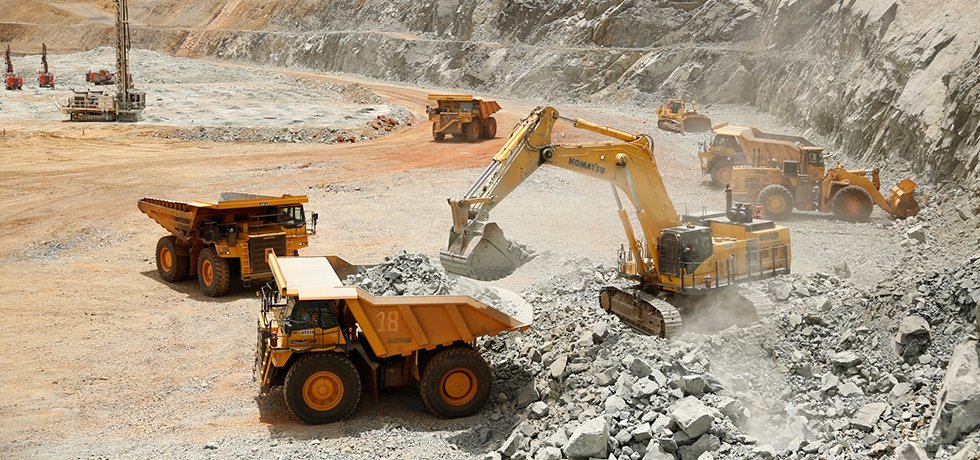
The first step in mineral trading begins at the source. Minerals are extracted from mining regions that contain natural deposits of valuable resources. These deposits are often found in mountainous or mineral-rich areas.
Regions such as Chitral, Swat, and Balochistan are known for their mineral resources, including gemstones and industrial minerals. Mining operations in these areas supply raw materials that later enter international trading channels.
Once minerals are extracted, they undergo basic processing and grading before being prepared for commercial distribution.
Quality Verification and Grading
Before minerals can enter global markets, their quality must be verified. Buyers often require detailed information about mineral purity, grade, and composition.
This process usually includes:
- Laboratory testing
- Assay reports
- Mineral grading
- Purity verification
Quality assurance is essential because industrial buyers rely on consistent mineral specifications for their manufacturing processes.
Contract Structuring and Trade Agreements
Once quality is confirmed, trading companies facilitate contracts between suppliers and buyers. These agreements define important trade conditions such as:
- Product specifications
- Quantity and pricing
- Delivery terms
- Payment structure
International trade terms like FOB (Free on Board), CIF (Cost Insurance Freight), and CFR (Cost and Freight) are commonly used to clarify responsibilities between buyers and sellers.
Structured contracts help ensure transparency and reduce risks in global mineral trade.
Logistics and Global Transportation
Transporting minerals across international markets requires strong logistics coordination. Trading companies manage shipping operations, documentation, and customs procedures to ensure smooth deliveries.
Key elements of mineral logistics include:
- Export documentation
- Shipping coordination
- Customs clearance
- Freight management
Reliable logistics networks allow minerals to move efficiently from mining regions to global industrial markets.
The Importance of Mineral Trading Companies
Trading companies act as a bridge between local suppliers and international buyers. They manage the complexities of sourcing, verification, contracts, and logistics.
Without professional trading networks, it would be difficult for global industries to access consistent mineral supplies.
By creating structured supply chains, mineral trading companies support industries worldwide and help maintain stable global markets.
Conclusion
International mineral trading plays a vital role in connecting natural resources with global industries. From mining and quality verification to contracts and logistics, each stage ensures that minerals reach international markets efficiently and reliably.
As global demand for industrial minerals continues to grow, the importance of professional mineral trading networks will only become stronger.